
The graduate program aims to provide, over a period of five years, the theoretical, practical, and clinical knowledge required for the practice of Veterinary Medicine. The teaching is provided, in French, in the form of courses, tutorials, practical work, clinics, educational outings, conferences, and research projects.
Le cursus des études vétérinaires comporte :
- Un cycle préclinique incluant les 1ère, 2ème et 3ème années du cursus, consacré à l’enseignement des sciences fondamentales (en 1ère année) et de matières plus spécifiques au domaine vétérinaire (en 2ème & 3ème année), et qui préparent l’étudiant à l’entrée en cycle clinique. Les étudiants du préclinique reçoivent un enseignement à la fois théorique (cours et conférences) et pratique (TP, TD, sorties pédagogiques).
- Un cycle clinique, constitué des 4ème et 5ème années, et qui se fixe pour objectif de former les étudiants au diagnostic, au traitement et à la prévention des pathologies infectieuses, métaboliques et chirurgicales des animaux de production (volailles, bovins, ovins, et caprins) et de compagnie (carnivores et équidés).
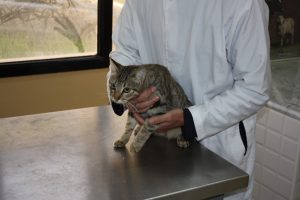
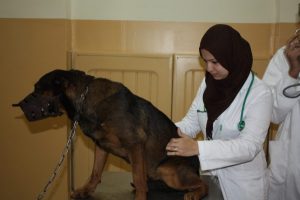
During clinical sessions, students (both 4th and 5th years combined) are divided into groups. Each group participates for 21 weeks in the activities of the 10 clinical educational units. These sessions take place either within the ENSV (canine consultation, surgery, medical biochemistry, autopsy and histopathology, parasitology and microbiology), or during educational outings (rural, avian, equine clinic, and hygiene and food industry of animal origin).
A Final Year Project (P.F.E.), initiated by the student at the beginning of the 4th year and defended at the end of the 5th year, concludes the veterinary studies curriculum. The PFE completes the student’s practical training and prepares them to better design and carry out projects in the various fields of veterinary sciences.